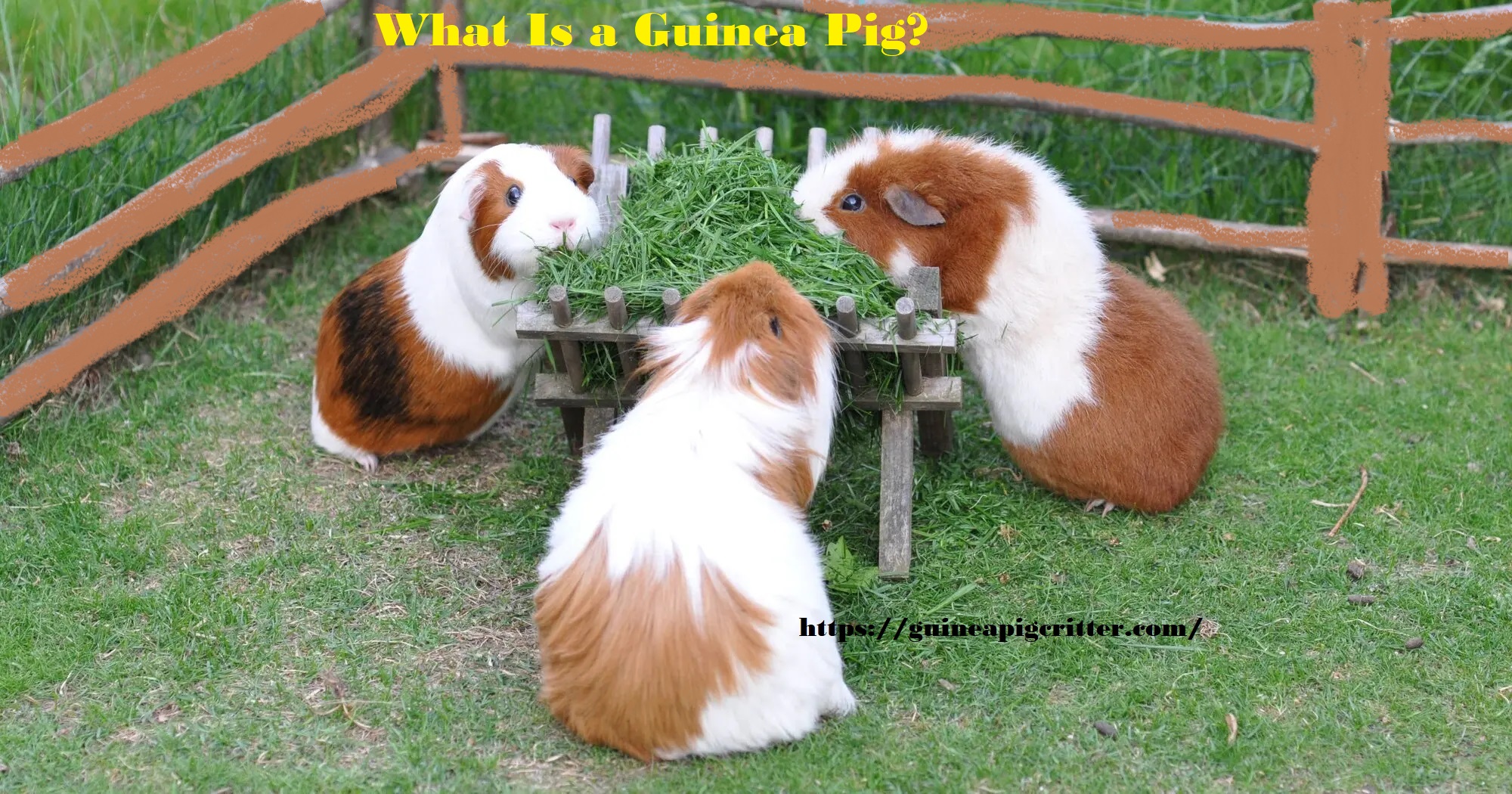
Although a guinea pig’s presence may be small, its impact in the lives of the people who take care of them can be huge. Their rounded bodies, soft fur, and their rich personalities fascinate animals and humans alike for thousands of years. Even today, guinea pigs are some of the most loved pets around the world, especially considering the fantastic options they offer for families and students looking for a companion who enjoys social and interactive relationships.
Although guinea Thanks to their friendly personalities, guinea pigs may be loved for their companionship and presence, they also deserve appreciation for their fascinating and complex social behaviors, histories, and relationships, with quite the emotional bonds, with their species and human caregivers. In the world of pets, pigs may be the most loved due to their seeming simplicity. There is always more than meets the eye, and looking beyond a pet’s presence and impact may just be a matter of looking beyond what is enjoyed to what is needed.
Even today, they are loved for their social and active presence, and although there is a social needs is not the only value they offer. Overall, the goal of this guide is to provide a human-cantered literature focused on the basic explanation of guinea pigs, that are loved to their most and cherished greatly around the globe. Therefore, if you are looking to add a pig to your family, looking to provide a pig to your family, or are simply curious, this guide will give you the most in a rich experience, covering the history and culture of guinea pigs.
See this post :-Do Guinea Pigs Need Baths?
What Is a Guinea Pig?
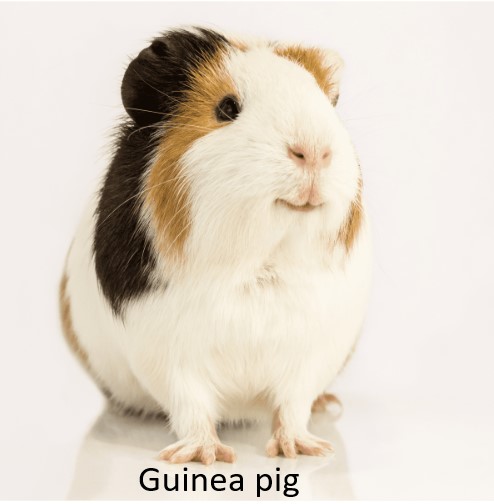
A guinea pig is a calm small domesticated mammal that falls under the category of rodents. They can be distinguished through their rounded bodies and social instincts. Unlike many other rodents, they do not possess a tail, and lack the ability to climb. Instead, they prefer steady routines and companionship to give them a sense of security.
The scientific name for guinea pigs is Cavia Porcellus. They can also be referred to as cavies which is a name that comes from a biological classification of the animal. They are named like that because they are NOT pigs and also do NOT originate from the country of Guinea. Their name is a product of European trade routes as well as the animal’s high-pitched squeaking which the people thought resembled a pig noise.
The most crucial factor to consider is that Guinea pigs are fully domesticated which means that they do not and can NOT exist in the wild. Over many centuries of domestication they have become reliant on people for food, shelter and safety. Because of this, responsible ownership is a must.
The Beginning and Early History of Guinea Pigs
The Guinea Pig originated from the Andes mountain region of South America, including Peru, Bolivia, Ecuador, and parts of present-day Colombia. Other than being domestic pets, guinea pigs served important roles in indigenous South American cultures for many centuries, even before they became domesticated.
The domestication of guinea pigs was recorded around 5,000 to 7,000 years from present-day archaeological studies. Due to the minimal raising/space requirements of the domesticated guinea pig, it became a popular source of food for many indigenous communities. Guinea pigs were also used for a variety of spiritually and medically related therapeutic practices. It was believed in many of the cultures that guinea pigs posses some healing and were utilized in ceremonial practices to help along diagnosis and cure sickness.
Western European countries became the first countries to be introduced to guinea pigs in the 1500’s after they were transported by the Spaniards. The first guinea pig enthusiasts in the early 1500’s were the upper classes that could afford pets. Due to the unique and gentle nature of the guinea pig, a pet culture became widespread across Europe and eventually the entire globe. Over time, selective breeding produced guinea pigs with a number of different attributes such as diverse colors, hair styles and temperaments.
Physical Attributes
Dimensions
Guinea pigs are classed as medium-sized rodents. As for fully-grown adults, guinea pigs tend to measure between 8 to 12 inches long, which is around 20 to 30 centimeters. They also weigh around 1.5 to 2.6 pounds (700 to 1200 grams), with the boys being heavier than the girls.
Because guinea pigs are very small, their weight is something to be mindful of, as losing weight is a sign of sickness. Many veterinarians suggest guinea pig owners weigh their pets weekly.
Body Composition
Guinea pigs are joined the rounded and compact bodied animals with short legs. The proportions are even more striking as they have relatively large rounded heads, making them extra cute. Unlike rats or mice, guinea pigs also do not have any tails, making them more appealing and more rounded.
To maintain good dental health, they must chew on hay or rodent-safe products for pets, as their
Coat Colors and Textures
Guinea pigs are often very visually appealing animals, and a big part of that is their selection of coats. Their coats can vary in many different colors and can also vary in length. Some of their more common coats include:
- American (Short-Haired): Fur that is smooth, short, and easy to care for.
- Abyssinian: Coats that are rough and have little natural rosettes and/or swirls.
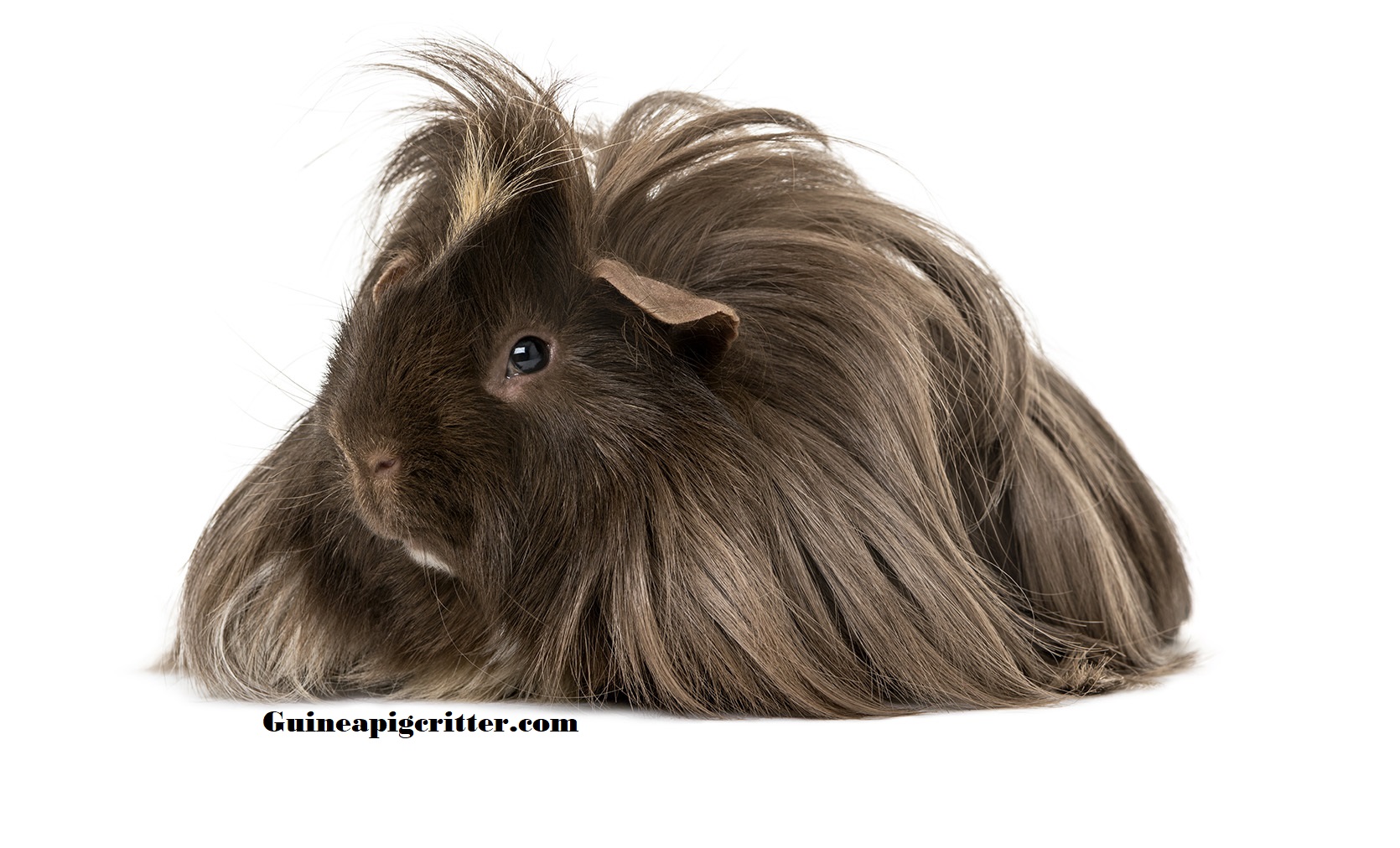
- Peruvian: Long and flowing coats that can even touch the ground.
- Silkier: Fur that is long, straight, silky, and grows in a backward direction.
- Teddy: Plush fur that is soft, dense, and very springy.
Guinea pigs can be white, black, brown, red, cream, gold, and even have varied patterns. Some have patches or splotches, and even blended shades.
Lifespan
A well-cared guinea pig lives 5-7 years, and some even longer. This is a commitment because guinea pigs live longer than hamsters and mice.
Behavior and Personality
Social Nature
Guinea pigs are very social and are strong in social instincts. In the wild, these animals lived in groups, and the same applies for these animals. This means the animals do best with a companion, ideally another guinea pig. In some countries, keeping one pig is taboo due to the chance of that pig suffering stress, depression, and changes in behavior due to being alone.
In groups, guinea pigs are shown to build strong relationships. They sleep, groom, and talk to each other a lot, whether that be sounds and or movements.
Communication and Sounds
Guinea pigs are very vocal animals. Each sound has a purpose and many owners learn to speak pig. Sounds include:
Wheeling: A loud excited squeal that usually is associated with food, or excitement for food
Purring: A low vibrating sound that may indicate pleasure, or may indicate irritation
Chuting: A soft sound that is made in a rhythmic pattern that may occur when piggish are exploring
Teeth Chattering: A clear sign of irritation, or even aggression
Chirping: A mystery sound that is high pitched and can be made by some guinea pigs.
Typical Behaviors
Popcorning is a term used to describe when guinea pigs jump in the air and twist to show excitement. They like to explore, chew, hide, and relax with friends.
Guinea pigs can be a little timid, and some owners can be a little put off by that. But the pigs just need some patience and soft handling and a lot of the time they become super friendly.
Diet and Nutrition
The ancestors of guinea pigs used to roam the plains and spent all of their time munching on grasses. These animals are adapted to be able to eat high fiber foods all the time.
A Balanced Diet for Pet Guinea Pigs
A healthy guinea pig diet includes the following:
Hay: guinea pigs need unlimited portions of timothy hay, or other kinds of grass hay.
Veggies: Depending on the Peggie’s preferences, fresh bell pepper, leafy greens, herbs, and carrots make good fresh veggie options.
Pellet: There are various options of high-quality guinea pig pellets.
Water: It is critical to ensure that pigs always have access to clean water.
Vitamin C Requirement
Vitamin C is an important element of guinea pig nutrition as they do not have the ability to produce vitamin C themselves. Deficiency of vitamin C can lead to scurvy causing pain, weakness, and health complications. This is why it is important for guinea pigs to eat fresh veggies.
Habitat and Daily Care
Living Space
Guinea pigs do need quite a bit of space. Giving them a big enough enclosure allows them to move around and engage in other natural behaviors. Cages that have wire bottoms may cause foot injuries and should be avoided.
Bedding and Cleanliness
Bedding options that serve for high-quality guinea pig habitats includes paper-based bedding, and fleece liners that can be washed and reused. It is important to do a spot clean every day, and a full clean is important on a weekly basis.
Exercise and Enrichment
Guinea pigs need to have exercise and enrichment every day. They need time outside of their enclosure and daily interaction with their owners as well as enrichment toys and tunnels.
Cavies as Companions
What Makes Them Great
Guinea pigs have tender mannerisms and endearing characteristics and are social with their human families. They are diurnal and develop loving relationships with human caregivers.
Things to Consider Prior to Bringing One Home
As with any pet, guinea pigs have daily needs and require interaction with a vet that has knowledge of treating unusual companions. They are prone to stress from extreme environmental conditions and changes.
What Homes are Ideal
Guinea pigs fit well into homes with children, adults, and older adults who want a pet that is fun, engaging, and won’t be overly demanding. They do best in homes where time and energy are available every day.
Health Considerations and Concerns
Being prey animals, guinea pigs can be be great at covering sickness and potential health problems. There are several issues that guinea pigs can face, from respiratory problems to skin and bone disorders. Losing weight can be a sign of something medically concerning.
Make regular vet visits a part of your guinea pig’s health plan to ensure they have a life full of good health.
check this post:- best toys for Guinea pig
Fun and Interesting Facts
- Guinea pigs can recognize their owners by sight, sound, and smell.
- They know how to remember routines.
- Each guinea pig has a different personality.
- They seldom bite and prefer to use their voice.
- Guinea pigs take short naps throughout the entire day and entire night.
Conclusion
Guinea pigs are much more than just small pets. They are emotional, and social, and get alongside humans. They show the need for more than just a pair. They need the proper food, space, care and, most importantly, the company of the human.
For those who care to meet their needs, guinea pigs give companionship, joy, and a strong bond for many years. Guinea pigs show with knowledge, patience, and commitment they can show to others they are cherished members of the family.