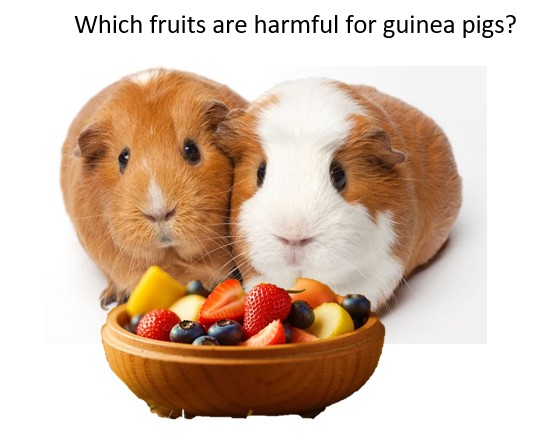
Not all fruits are good, and most fruits are not nutritious at all. Some fruits can even be dangerous when fed in large amounts. Guinea pigs are not like us and can suffer health problems with many of the foods that are deemed fine for us.
Guinea pigs make wonderful companions! Their sweet and friendly personalities are even more pronounced when they quickly make their way over to their cage door when they smell a snack. It’s super hard to ignore the cute little hops and squeaks they make.
This is unfortunately the case with many people, and as good as their intentions are, it’s where they make the most mistakes as guinea pig owners.
Because humans eat fruits and most people categorize fruits as healthy foods, many people like to give their guinea pigs fruit as a treat simply because fruits are fun and colorful.
Check this post :- Can Guinea Pig Consume Plums?
What this guide covers
In this guide, we will discuss the types of fruits that impact guinea pigs negatively, the reasons that these fruits are dangerous, the warning symptoms that indicate trouble, and the wiser choices that can be made in terms of feeding guinea pigs.
This article will help new guinea pig owners and those who are trying to refine the diet of their pets to help them make the right and responsible choices.
Understanding the natural diet of a guinea pig
To determine the reasons why some fruits are harmful, it is first important to understand the foods a guinea pig is made to eat.
In the wild, guinea pigs are grazing for a good portion of their day. They eat:
- Grass
- Plant leaves
- Stems
Fibers from the plant
The food that guinea pigs eat in the wild is very low in sugar and contains a high amount of fibers. Hay is a rough food that guinea pig’s digestive system works best on. It is better for the system to be processing and working on rough, fibrous foods constantly.
Even domesticated guinea pigs maintain the same digestive systems. This means that their daily food consumption should be similar to the diet they eat in the wild.
The main components of a guinea pig’s diet
What does a guinea pig eat?
- Unlimited grass hay (timothy hay is a great option)
- Unlimited fresh leafy vegetables
- A small amount of guinea pig pellets
- It is okay to give occasional treats
A small amount of fruit is an occasional treat and is not a part of the daily diet. Giving fruit too often or too much can also disrupt the balance.
The risks of giving guinea pigs fruit
The negatives of giving guinea pigs fruit:
Sugar content
The main problem with fruit is the sugar content. Fruit is a natural sugar, but guinea pigs have a tough time processing sugar, even if it is natural. Sugar intake can cause:
- Weight gain and or obesity
- Gut bacteria imbalance
- Digestive upset
- Diarrhea
Increase the chance of diabetes
These issues can affect the lifespan of a guinea pig.
Acidity
Some fruits are very acidic, and acidity can cause irritation to the body.
- Mouth
- Stomach
- Digestive system
This can cause discomfort and mouth sores, and guinea pigs with mouth pain can stop eating and that can quickly become a serious and dangerous problem.
Dangerous seeds, pits, and stones
Some types of fruits have seeds or pits that can be poisonous. These can cause toxic reactions, choking, and even internal injuries, even if the fruit flesh is safe. Eating hard parts can also break a tooth. Guinea pigs love to chew, which makes these parts even more dangerous.
Digestive sensitivity
Guinea pigs have a delicate system of bacteria balanced within their gut. Rich foods, like fruit, or a sudden change in diet can disturb this balance and be a cause of gas and considerable gastrointestinal discomfort.
Fruits that are damaging to guinea pigs
Now let’s discuss specific fruit that can either be highly damaging or can be provided under strict limits.
High-sugar foods that should be avoided or given under rare occasions
These types of fruits aren’t toxic, but are more dangerous because of their sugar levels.
Banana
Considered a healthy snack, banana is actually high in starch and sugar. For these little animals, bananas can cause quite some weight gain and digestive problems.
If given too frequently, their chewy texture can lead to dental issues.
- Very small slices.
- Once every couple of weeks.
Grapes
These small fruits can be problematic to give to some pets because they can be a choking hazard, and also because they’re really high in sugar.
- Avoid giving them when you can.
- If you do give them to your pet, make sure to cut them into tiny portions.
Cherries
These fruits can be dangerous because concerning sugar levels, and also cherry pits, which are toxic and can pose a choking hazard.
- These are best avoided completely.
- Fruits with toxic seeds or pits
These fruits may look wholesome on the outside, but their potentially dangerous seeds or pits make them unsafe.
Apples (seeds)
The flesh of the apple is safe, but the seeds can be dangerous to your pet. A common mistake pet owners make is feeding their pets apple slices with the seeds included.
- Make sure to remove all the seeds
- Only give them a small slice of peeled apple
- Peaches, plums and apricots.
These fruits are also dangerous, but the large pits they contain can be problematic. They pose a risk of being harmful even without fully opening the fruit.
Avoid completely.
Citrus fruits: too acidic for guinea pigs
They are often complementary to a lot of dishes and are high in vitamins, but they are also too acidic.
Eating a single tiny portion of an orange’s its okay to eat a small portion orange, but eating it too often may irritate the mouth.
- Recommendations
- Extreme rarity
- Very tiny amount
- Lemons, limes, & grapefruits
These are very acidic and can be very irritating.
Recommendation
- Do not feed
- Dried fruit: one of the worst treat choices
Dried fruit is one of the most marketed healthy snacks, but it is very dangerous for guinea pigs.
Why is dried fruit harmful?
- Concentration of sugar is very high.
- Damaging teeth due to sticky texture
- Higher chance of digestive upset
Examples:
- Raisins
- Dried mango
- Dried pineapple
- Dried apple slices
Recommendation:
Do not feed dried fruit
Fruits that are only safe in very small amounts
There are some fruits that aren’t harmful when done correctly, but it is still to be limited.
Strawberries
Strawberries do have vitamin c, but a small amount of sugar is in there too. Remove the leaves and offer a small chunk.
Blueberries
- Blueberries are very small. This helps control portion a lot.
- Pears (without seeds)
- Always get rid of the seeds and only offer a tiny cube.
Important rule:
Even safe fruits should be only be done one to two times per week.
Signs your guinea pig has eaten a harmful fruit
Guinea pigs tend to hide injuries and illness very well, so it is very important to detect warning signs early.
The most common symptoms of the above diseases include:
- Flexible or opaque poop
- Decreased food consumption
- Swollen abdominal region
- Being more tired than usual
- Increased sheltering
If symptoms occur after the consumption of the specified food items, then cease the offering of these foods permanently.
What to do if your guinea pig eats harmful fruits
If your guinea pig eats something unsafe, take the food away, give it fresh hay and clean water, and watch it for any changes in behavior.
If you notice symptoms or changes in behavior, take your guinea pig to the vet. Early intervention can reduce the chances of complications.
What are safe treat alternatives to fruits
If you want to give your guinea pig a safe and healthy treat, vegetables are a much better option. Good vegetables for your guinea pig include:
- Bell peppers
- Cucumbers
- Romaine lettuce
- Cilantro
- Parsley
Why hay is the most important food to give your guinea pig
Hay should make up 80-90% of your guinea pig’s diet, because it supports healthy digestion, it allows for proper wear of their teeth, and it helps to keep a balanced gut bacteria. The benefits of feeding hay can never be substituted for fruit.
How often should you give your guinea pig fruit
As a general rule of thumb, guinea pigs should be fed safe fruit only 1-2 times a week. And only one small piece of fruit should be given.
You should never feed a guinea pig multiple pieces or even multiple kinds of fruit in a single day. Think of fruit as candy, something that is not essential but is a fun treat.
What are the common mistakes guinea pig owners make when feeding fruits
A lot of health problems guinea pig owners encounter are a direct result of misunderstandings. Many of these misunderstandings are very simple and can be easily corrected.
Common mistakes include: feeding fruit daily giving large portions not removing seeds believing “natural” equals “safe” avoiding these mistakes can greatly improve your guinea pig’s quality of life.
Check also this post:- Can Guinea Pigs Eat Chapati?
Frequently asked questions about guinea pigs and fruit
Can guinea pigs live without fruit?
Yes. Fruit is not necessary at all if your guinea pig eats vegetables and hay.
Is fruit better than pellets?
No. Pellets are nutritionally balanced, while fruit is mostly sugar.
Can baby guinea pigs eat fruit?
It’s best to avoid fruit for young guinea pigs altogether.
Final thoughts
Guinea pigs rely entirely on us to make safe food choices for them. While fruit looks harmless and even healthy, it can quickly become harmful when fed incorrectly.
The most important things to remember are: fruit should be a rare treat some fruits are harmful and should be avoided hay and vegetables are always the safest options by understanding which fruits are harmful for guinea pigs and feeding responsibly, you give your pet the best chance at a long, healthy, and happy life.