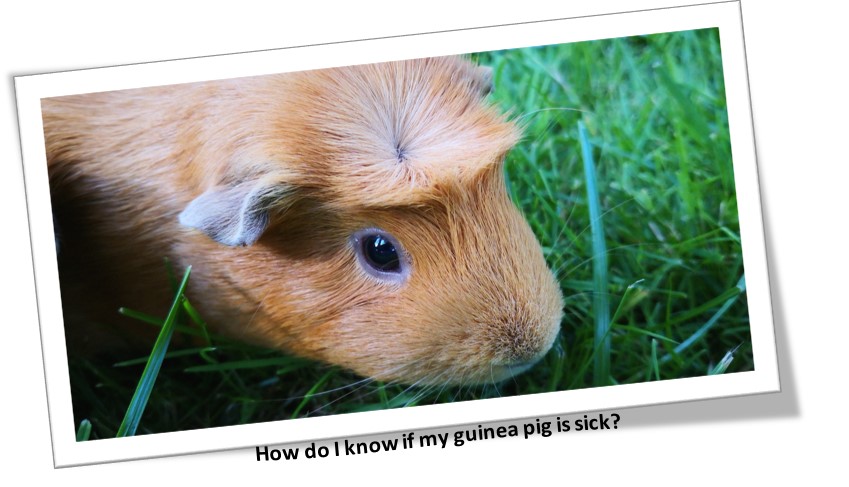
Hiding signs of sickness is one of the biggest downsides of guinea pig ownership. We have all seen dogs or cats that bark or meow for attention. If an animal is not looking well, they may sit in one place. It is not abnormal to see an animal in the same place most of the day. Guinea pigs, however, most of the time will not show sickness, meaning that even if a guinea pig is showing a normal behavior pattern, sickness may be present.
The instinct that drives that behavior pattern in guinea pigs is a remnant of a time when guinea pigs lived in the wild. Back then, if a wild guinea pig showed any indication that they may not be fit enough to be part of a wild guinea pig group, a predator would be sure to catch that guinea pig. Even with the protection of an owner, a living guinea pig will have a wild instinct.
A huge result of this instinct is that guinea pig owners will not see the sickness of a guinea pig until it is severely advanced. This is very common, and with hindsight, it is easy to name a cause. It is all of the little things. Not eating the full amount of food, hanging out of the igloo longer than usual, sitting in one spot longer than usual, not being social, not interacting, a little more of this, a little more of that
The question is not how to tell if your guinea pig is sick, it is the fact that you noticed something abnormal and showed a good amount of concern about it. If something looks out of place in the behavior of your guinea pig, it is already a good sign that you are concerned. Now the question is, how to tell that your guinea pig is sick? This is a guide that will show and help you with the knowledge on how to spot sickness early so that you may take action before it we’re to become a danger to your guinea pig.
Check this post:- Depressed guinea pig signs
The reasons guinea pigs’ illnesses are difficult to detect
As prey animals, guinea pigs have developed behaviors to avoid being seen as being weak or sick. They try to hide their symptoms to avoid putting themselves in danger, which results in illnesses being shown in small gradual changes instead of big obvious signs.
Routine also makes illnesses difficult to spot as owners may have trouble spotting changes that are still in the realm of normal. A guinea pig not moving in their usual way, or eating their food, may not seem concerning until the change is large.
Once you know what the signs are, spotting them is mostly a matter of observing the guinea pig in a different way. You are not being neglectful if you are missing early signs of illness; it is a matter of knowing what is a normal behavior and what is not.
Signs of illness that may be present
As with almost every illness, the first symptoms that will appear are going to be related to food, energy, and routines. A healthy guinea pig will eat many times s a day. If your guinea pig is eating less, doesn’t seem as excited about food as before, or is chewing at a slower pace, your guinea pig Sis sick. Even a small decrease in appetite can signal extreme discomfort or internal problems.
Weight loss, although gradual, can be one of the first signs your guinea pig is ill, and it can happen without them being visibly thin due to their long fur. This is why weighing them is one of the most effective ways to detect illness. Dropping weights usually can be more easily measurable before any symptoms of the illness are visible.
Another change that can be measurable that you will need to monitor is the amount of drink your guinea pig is taking. Either drinking far too little or far too much can be dangerous as it can indicate illness.
You guinea pig may also behave differently. It may not interact as much as it typically does, or it may not explore or be curious as it usually is. If you guinea pig appear to be more tired and less active and do not seem to take as much of an interest in their environment, it may also be experiencing some sort of illness.
After having been ill for some time, there may be some more obvious signs that can be seen physically. Healthy guinea pigs do not have wet noses or any build-up of goop in their eyes or wet hair around their eyes. If your guinea pig had visible, wet and goopy eyes and is exhibiting discharge or wet fur around their eyes, you should take them to a vet as it may be a serious infection, most likely a respiratory illness.
The health of a guinea pig can also be assessed by checking their droppings. If a guinea pig is healthy, their droppings should be firm, oval shaped, and consistent in size. If a guinea pig’s droppings are absent or have changed in size, this may indicate an issue with their digestive tract, and this is a serious issue.
Fur and skin changes is also a cause for concern. Guinea pigs should never experience loss of hair or body parts, and excessive scratching or redness are also indications of a problem. These symptoms can result from a number of things, including parasites and infection, or even a lack of proper nutrition. Guinea pigs should never scratch continuously or have bald patches.
The health of a pig can also be assessed by observing their movement. If a pig refuses to walk, has swollen legs, or appears stiff, they may be in pain. If they are unable to put weight on a leg, that is a clear indicator that something is wrong.
The health of a pig is also indicated by their behavior. Activity should be consistent with a pig, and a puffed posture is a likely indicator of distress.
Grinding teeth may be a sign of a lack of nutrition, and relaxed guinea pigs may grind as well; however, this is often confused with a pig that is in pain. This sound is often considered a sign of normal behavior in pigs, especially by owners that do not know the sound well.
Gauging your pet’s demeanor can help you determine their health status. If your guinea pig gets aggressive or has pain-related defensive behavior, they may be protecting an injury. If your guinea pig is uncharacteristically scared, aggressive, or timid, they may be sick.
Guinea pigs that are in good health will respond to their owner’s sounds. Food noises, voices, and movements should elicit a response. If your guinea pig remains unresponsive, it may be in pain, too weak, or far too exhausted.
Signs that require an emergency vet visit
Some signs and symptoms warrant an emergency vet visit. If your guinea pig has stopped eating, they are at serious risk. Missing a single meal can be detrimental to their health, and can critically impact their digestive system.
Breathing difficulty, chest rattling, and quick breathing are emergencies. Guinea pigs can easily and quickly worsen from respiratory distress.
Weakness, unresponsive behavior, and cold, positioned guinea pigs are in an emergency state.
In these scenarios, it is extremely important to to seek an emergency vet rather than wait and see if it gets better. Guinea pigs tend to worsen in health than other pets, and getting to the vet quickly can be extremely important to their health.
Typical illnesses that owners fail to identify
Several guinea pig illnesses can be subtle in the beginning. A common, often ignored issue, is vitamin c deficiency. Because guinea pigs cannot produce their own vitamin c, a deficiency can lead to joint issues, lethargy, decreased appetite and swelling.
Another common issue is dental illness. Because guinea pig teeth grow continuously, they can develop problems that make eating painful. Signs of problems include food dropping and mouth wetness, slow chewing, and weight loss.
Respiratory infections are serious illnesses that can result in death. Signs of illness can include lethargy, heavy let tog other fills, and sneezing.
Mites are a parasite that can make your guinea pig miserable. Mites cause severe itching and hair loss. Because they are not visible, infestation has to be assessed by a professional.
What to do if you suspect your guinea pig is sick Observation is very important when assessing an illness. Note any changes in behavior, eating, drinking, and droppings.
Make your guinea pig comfortable by providing heat and minimizing noise. Stress can worsen illness, and it is important to make sure your guinea pig remains calm.
Encouraging them to eat is a good idea and can be done by using fresh hay and offering their favorite veggies. Never attempt any feedings unless specifically advised to do so by a veterinarian, as improper feedings can cause serious harm.
As guinea pigs need their own form of specialized care and treatment, contacting a vet for guinea pigs as soon as possible is extremely crucial for their care.
How to keep track of your guinea pig’s health at home.
The best form of preventative care is daily observation. Paying attention to their eating, their activity levels, and their droppings can create a norm that will be easier to recognize small changes if you focus on what is normal for your guinea pig.
You will be able to do more preventative care if you have a more controlled environment. Good hygiene and a clean home can reduce the risk of an infection as well as the stress from being in a dirty environment.
Most commonly asked questions.
Is it possible for a guinea pig to be sick without obvious symptoms?
Yes. It is very possible for guinea pigs to be sick and show no obvious signs.
How fast can a guinea pig’s health decline?
It can be within a few hours or days. Because of their small size and rapid metabolic rate.
Do guinea pigs sleep a lot?
Sleeping a lot isn’t uncommon in guinea pigs from day to day, but if sleeping a lot happens all of a sudden and is accompanied by not eating very much or not being very active then your guinea pig may be sick.
Should I isolate a sick guinea pig from the rest?
If it is believed that the illness could spread to the other guinea pigs, then yes, otherwise it could be a good idea to have other guinea pigs with the sick guinea pig so that the sick guinea pig is not stressed.
Could a guinea pig get sick from stress?
Yes, children get sick from stress and so do guinea pigs, along with the associated stress of sickness and illness that comes with it, a stressed guinea pig is also a sick guinea pig.
How often should i be weighing my guinea pig?
Once a week is a good idea, as an ill guinea pig will usually realize and take act very ill and usually quite will take act very ill and usually quite will take act very ill and usually quite quickly to act very ill and usually.
Do you guinea pigs fully recover from sickness?
Yes, although it also depends on how quickly you challenge illness within in if it is in fact I signs it’s also and illness it’s with in fact I do you challenge illness within in if it is in fact I do you challenge illness within.
Conclusion
One of the most important aspects of guinea pig ownership is knowing how to recognize the signs of illness. Because guinea pigs don’t ask for help, they depend on their owners to recognize when something is wrong.
Don’t underestimate even the smallest behavioral changes. Changes to eating habits, increased hiding, and a shift to more subdued behavior can all be the earliest indicators of a serious problem. If something feels wrong, trust your instincts.
With the right care, attention, and observation, many guinea pigs that experience illness can, and do, continue to live long, happy, and healthy lives.