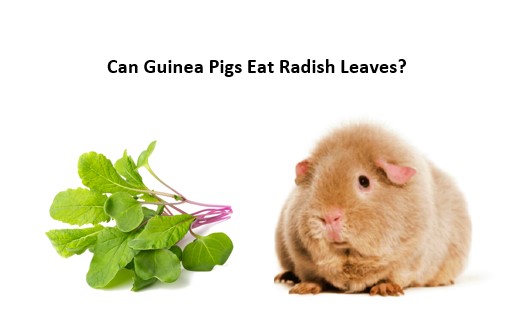
Guinea pigs make great pets because they are friendly and love to eat greens and vegetables. The struggling and brave guinea co owners are most times looking for something fresh, safe as well as healthy that can serve as a chew to the pets.
A frequently raised concern by a number of guinea pig owners is whether or not radish leaves are safe for their pet to eat. Discussing this issue will allow us to provide you the information how radish leaves can be used as a food source for guinea pigs and their general characteristics.
See this post: Can Guinea Pigs Eat Spinach?
What are radish leaves?
In many households, they are thrown away and hardly seen as something that can be eaten, radish leaves are actually the green tops of the radish that grow above the ground. Apart from being nutrients raw radish tops are also slightly spicy.
Although radishes are often found in other dishes such as salads, their tops are also used as an ingredient in soups, pancakes, stir-fry, and even smoothies. For guinea pigs radish leaves are not encouraged but they might use them as a supplement onto their diets but they need to be thoroughly examined first.
Nutritional value of radish leaves
We know that radish leaves have a considerable amount of oil, potassium, calcium, and vitamins a and c, all of them are good for guinea pigs but the leaves should be offered in moderation. The following are some of their nutritional contents for guinea pigs:
Vitamin c: the most important for guinea pigs as they lack the ability to produce this nutrient on their own. Vitamin c improves their immunity and helps to avoid scurvy, which is a frequent disease of the guinea pig.
Vitamin a: this is of critical importance for healthy eyesight and general well being.
Calcium: it is a factor that promotes growth of bones but must be taken with caution as it increases the risk of bladder stones.
Potassium: has a role in assisting the normal muscle and nerve function.
Fiber: contributes in a big way to the digestive wellbeing of a guinea pig.
These nutrients make radish leaves a healthy choice but caution must be exercised because them there are a few negatives associated with them.
Are radish leaves safe for guinea pigs?
Yes, radish leaves are relatively safe for guinea pigs although they should be fed in small quantities. It is important to note that radish leaves are safe because they are not poisonous and nutritional benefits can be derived from them, however, there are some precautions that should be noted:
Calcium content: although radish leaves are rich sources of calcium, they should not be relied on as the main source as this can cause bladder stones or urinary disorders in guinea pigs.
Oxalates: the existence of oxalates in radish leaves may assist in the development of bladder stones if taken in excess.
Pungency: the radical pique of the leaves stem may not be donned by a section of the guinea pigs. Garnish mildly the sprinkle and observe whether your pet enjoys the food.
How to wash and offer prepared radish leaves to your pet guinea pigs
The washing and preparation process involves steps that ensure the radish leaves are safe and fun for your guinea pig. These include:
Selection of leaves: choose fresh, green and organic radish leaves. Leaves that are yellowing due to wilting should not be selected for they may contain low nutritional value.
Washing: the leaves are to be washed under running water to eliminate dirt, spray chemicals or out any potential contaminants.
Dry the leaves: once the leaves are washed they are patted dry although a clean towel should be used for it is not wise to feed wet greens to a guinea pig due to the possibility of chronic diarrhea.
Chop into smaller bits: to make it easy for your guinea pig, chop the leaves into small bits that will be easy to chew and digest otherwise the whole leaves will be difficult to chew and digest.
How much and how frequent can guinea pigs consume radish leaves?
As in all introductions of ‘new foods’, moderation is key when incorporating radish leaves into guinea pig diet. This is done following these guidelines:
Serving size per radish leaf: a small handful of leaves should be offered such as 4 to 5 leaves in a mixed vegetable serving.
Frequency: eating radish leaves more than 1 time in a week leave it at 2 times per week to avoid excess calcium intake and oxalates.
Combining with other foods: do not feed radish leaves on their own but should always use other leafy greens including romaine lettuce, cilantro, or parsley to allow an amalgamation with other varieties.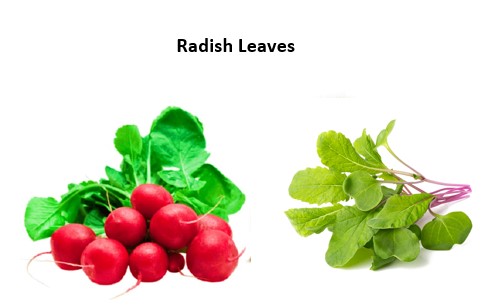
Feeding radish leaves to guinea pigs: the positives
As long as a guinea pig is not overfed, radish leaves should be reasonably helpful:
Supports immune system: the high vitamin c content helps strengthen a guinea pig’s immune defenses.
Promotes digestion: the fiber in the leaves of the radish eases digestion and prevents constipation.
Offers water: like most leafy greens, radish leaves are high in water content and help to hydrate your pet.
A healthy alternative: including radish leaves breaks the monotony of your guinea pig’s meals, ensuring that they do not get bored.
Feeding radish leaves to guinea pigs: the negatives
Although they are nutritious, there are some risks of feeding radish leaves to guinea pigs.
Bladder stones: feeding too much calcium-rich foods may cause bladder stones which are painful and usually need veterinary surgery.
Gastrointestinal issues: too many radish leaves may cause stomach upsets such as diarrhea or bloating in your guinea pigs.
Allergic reaction: very few guinea pigs might be affected by signs of intolerance to new food items or show allergic reactions.
Leave the guinea pig alone immediately after feeding it radish leaves and call a vet in case there are some unusual signs or behavioral changes noticed.
Alternatives to radish leaves
Consider it as a radar if you are uncertain regarding the feeding of the radish leaves or if your guinea pig refuses them, then there are quite a number of safe leafy greens which can be considered.
Romaine lettuce: low calcium that is not bad for your guinea pigs system components.
Cilantro: which adds flavor and vitamin c.
Spinach: which is nutritious but like most greens should also be offered in moderation because of calcium constituents.
Dandelion greens: which most guinea pigs prefer but high in calcium hence quantity is required.
Kale: very nutritious but must be given sparingly.
Check this post:-Can guinea pigs eat beetroot?
Conclusion
Radish leaves when properly fed can be very safe and healthy for your guinea pigs. They possess high amounts of vitamin c and fiber which make them good but the only concern is calcium and oxalate amounts present in them therefore causes worry when feeding. New foods should always be introduced slowly and monitor your guinea pig to see how he or she reacts to the new food.
The best approach is to provide your guinea pig a variety of diet containing various greens plentiful greens will in turn make sure that the guinea pig is within the normal state that is healthy, happy and well fed. If unsure, you may ask your veterinarian regarding the dietary requirements which you pet should have. A happy guinea pig is of course a well-fed guinea pig.